
Tilt Table Test in London
At Dr Anthony Li’s private cardiology clinic in London, we offer expert assessment and access to cardiac tilt tests, with personalised care from an experienced consultant cardiologist.
What Is a Tilt Table Test?
If you experience unexplained fainting (syncope), dizziness, blackouts, palpitations or symptoms triggered by standing up, your cardiologist may recommend a tilt table test (also called a tilt test). This is a specialist investigation used by private cardiologists and electrophysiologists in London to assess how your heart rate and blood pressure respond to changes in posture.
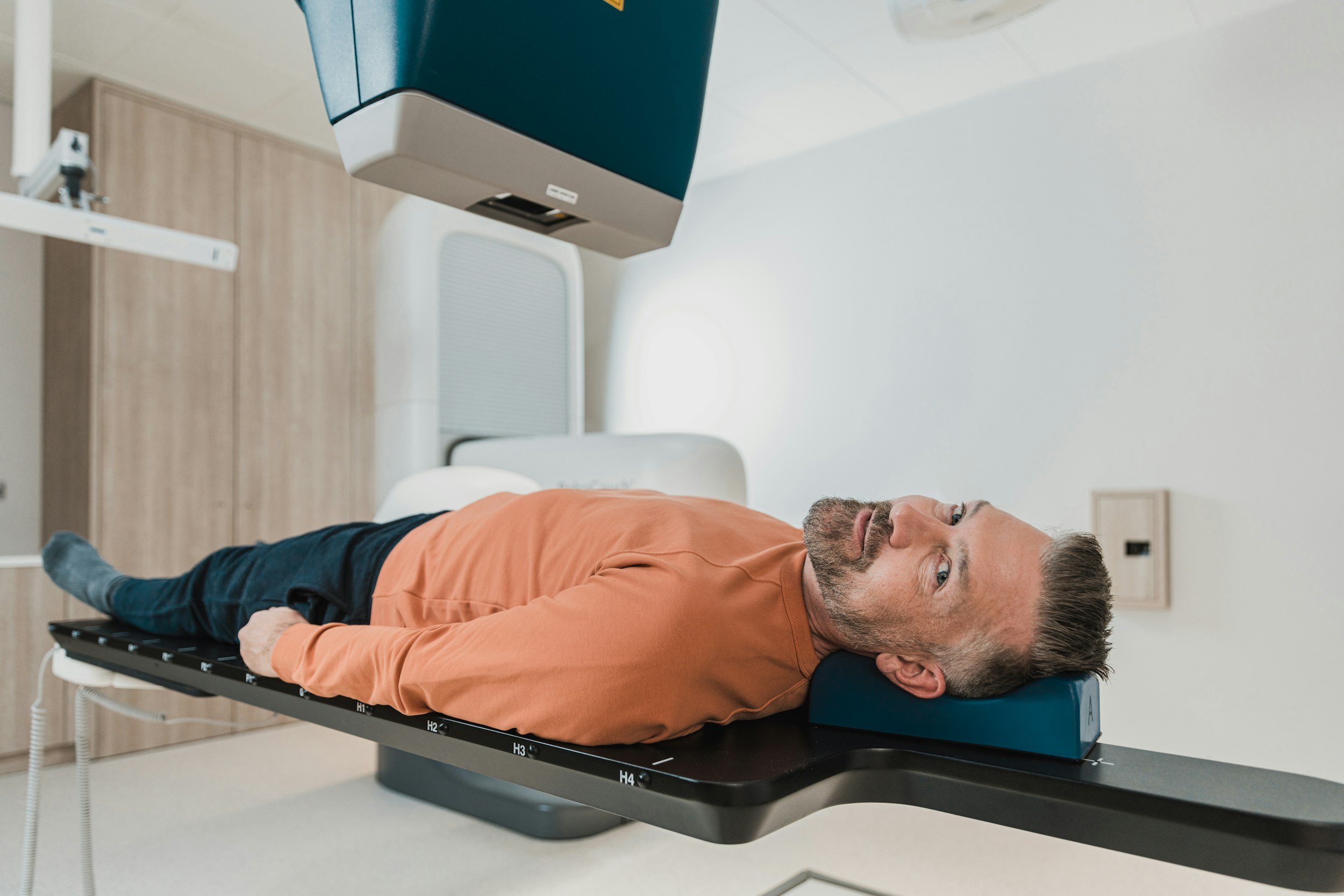
A tilt test is particularly helpful when symptoms suggest an autonomic or rhythm-related cause, but routine tests such as ECGs or blood tests have not provided a clear diagnosis. During the test, you lie flat on a special examination table. The table is then tilted to an upright position (usually around 60–70 degrees) to simulate standing up. Throughout the test, we continuously monitor your:
Heart rate (ECG)
Blood pressure
Symptoms observed in real time
The aim is to identify abnormal drops in blood pressure or changes in heart rate that may explain your symptoms.
Why Might I Need a Tilt Table Test?
Dr Li may recommend a tilt test if you’ve experienced:
recurrent fainting episodes
dizziness or light-headedness on standing
unexplained blackouts
palpitations with postural symptoms
suspected POTS (Postural Orthostatic Tachycardia Syndrome)
suspected vasovagal syncope
suspected autonomic dysfunction
symptoms that resemble anxiety or panic attacks but may be cardiovascular
It is especially useful when symptoms are intermittent and difficult to capture on a standard ECG. The test helps differentiate between fainting due to blood pressure issues and heart-related causes, which is key to choosing the right treatment
How Should I Prepare?
You may be asked to avoid eating or drinking for a few hours before the test.
Wear comfortable clothing
Bring a list of current medications – some may need to be paused (Dr Li will advise)
A friend or relative may accompany you home, especially if you feel light-headed after the test
avoid heavy meals beforehand
stay well hydrated unless instructed otherwise
avoid caffeine on the day of the test
The test is generally well-tolerated and performed under careful supervision in a controlled environment.
what happens during a Tilt Table Test?
The test is performed in a controlled clinical environment with full monitoring.
Step-by-step overview:
Preparation
You will lie flat on the tilt table, with ECG stickers placed on your chest. A blood pressure cuff or continuous blood pressure monitor will be attached.Baseline monitoring
Your heart rate and blood pressure are measured while lying down.Tilting phase
The table is tilted upwards to an upright position. You remain in a standing position, but supported and strapped safely.Observation
Your clinical team monitors your symptoms, heart rhythm and blood pressure response over a period of time.Additional stimulation (if required)
In some cases, medication may be used to provoke symptoms in a controlled way if your initial results are normal. Your cardiologist will discuss this with you beforehand.
The test typically lasts 30 to 60 minutes, depending on the protocol used.
What sensations might i feel during a Tilt Table Test?
Patients often worry about what the test will feel like. Most people tolerate it well, but the goal of the test is to reproduce your symptoms safely.
You may experience:
light-headedness or dizziness
nausea
warmth or sweating
blurred vision
a feeling of weakness or heaviness in the legs
palpitations
shortness of breath
fainting (syncope) in some cases
If you begin to feel unwell, you will be closely monitored and the table can be returned to a flat position immediately. Symptoms usually resolve quickly once you are lying down again.
Some patients describe the sensation as similar to standing in a hot room for too long, or feeling suddenly “washed out”.
what conditions can a Tilt Test diagnose?
A tilt table test is commonly used to diagnose or support diagnosis of:
Vasovagal Syncope (Reflex Syncope)
This is one of the most common causes of fainting, often triggered by prolonged standing, heat, dehydration, emotional stress, or pain. The test may show a drop in blood pressure and/or heart rate leading to fainting.
Orthostatic Hypotension
This occurs when blood pressure drops significantly on standing, leading to dizziness, blurred vision or collapse.
Postural Orthostatic Tachycardia Syndrome (POTS)
POTS is characterised by an excessive rise in heart rate when upright, often with fatigue, dizziness, palpitations, brain fog and exercise intolerance. Tilt testing is one of the key investigations used by electrophysiologists and autonomic specialists.
Autonomic Dysfunction
Tilt testing can help identify abnormal autonomic nervous system regulation, which may occur in association with certain neurological or systemic conditions.
Unexplained Blackouts
When standard investigations are normal, a tilt test can provide clarity and help guide further investigations or treatment.
What happens after the Tilt Test?
After the test, your cardiologist will review your results and explain what they mean in detail. If symptoms were reproduced, the findings often provide a clear direction for treatment.
Depending on the outcome, your consultant may recommend:
hydration and salt strategies
medication to stabilise blood pressure or heart rate
compression garments
lifestyle adjustments
further rhythm monitoring (e.g. Holter monitor or implantable loop recorder)
referral for specialist autonomic assessment if appropriate
what conditions can a Tilt Test diagnose?
At Dr Li’s private cardiology clinic in London, tilt testing is performed under expert supervision with continuous ECG and blood pressure monitoring. Dr Li is an extremely experienced private cardiologist and electrophysiologist, with specialist expertise in fainting caused by palpitations.
If you are experiencing recurrent dizziness, fainting or unexplained episodes, a tilt table test can provide clarity and reassurance, and help guide the right treatment plan.
Book a Private Tilt Table Test in London
If you’re suffering from fainting, dizzy spells or blackouts, a tilt table test could provide the answers you need. Dr Li offers fast access to advanced cardiac testing in central London, alongside expert analysis and a clear plan for treatment.